

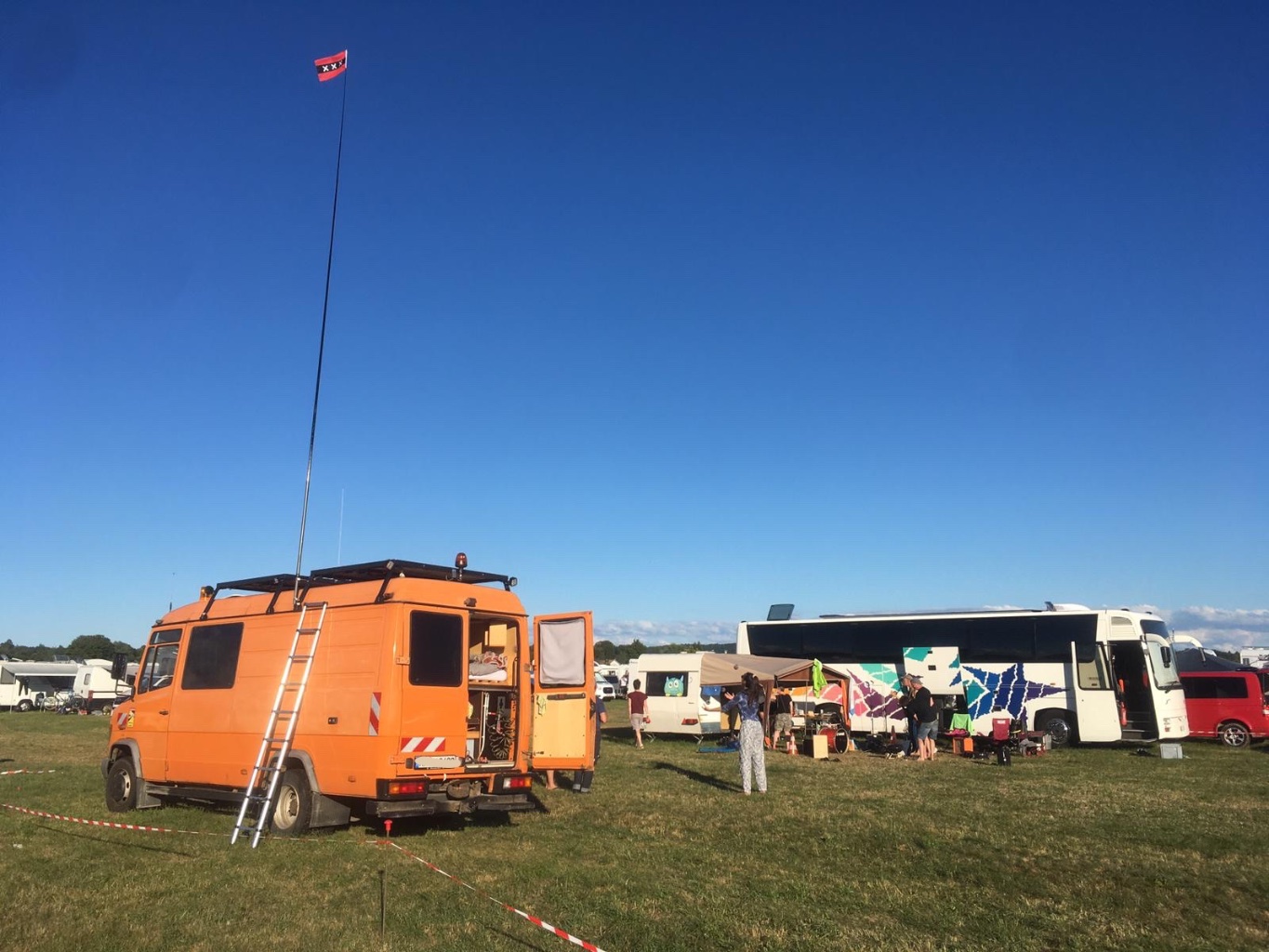
I am also interested in operating radio on frequencies in the 11m, 2m and 70cm band out of my Mercedes truck. Therefor I use different radios and antennas, the antennas are mostly self-made. In 2023 I made my radio amateur license and my callsign is DO7BKR. If you received the address of this website, feel free to write me a message via the contact site or via Instagram.

Portabel:
Motorola GP900 UHF
Motorola GP900-11b VHF
Motorola MT2100 UHF
Motorola HT1000 UHF
Motorola MTS2000 UHF
Motorola SABER I UHF
Motorola MX1000 UHF
Motorola DP2600 UHF DMR/FM
Motorola DP4600e UHF DMR/FM
Motorola DP4400e UHF DMR/FM
Motorola MPT850 TETRA
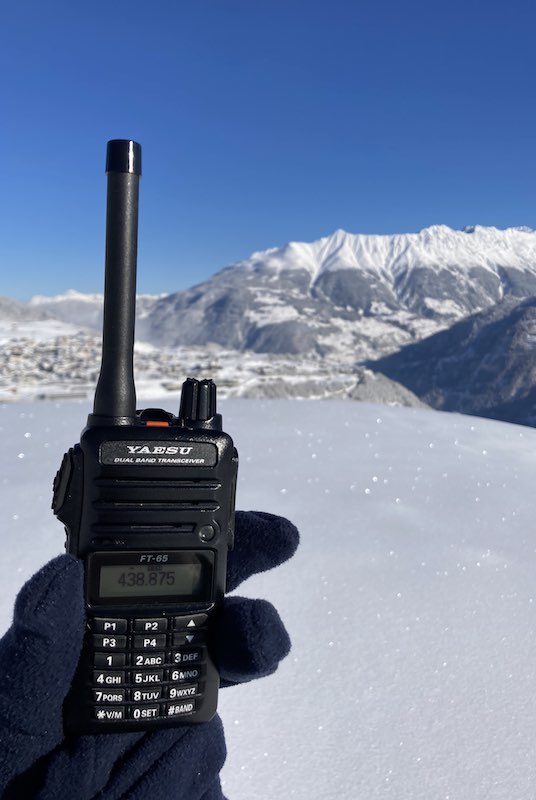
Yaesu FT-65 VHF/UHF
Mobil:
Motorola GM900 UHF
Motorola DM2600 UHF DMR/Analog
Motorola DM4601e UHF DMR/Analog
Motorola MC Micro VHF
Yaesu FTM-7025DR UHF/VHF C4FM/Analog/Airband
Motorola SABER/MX Series
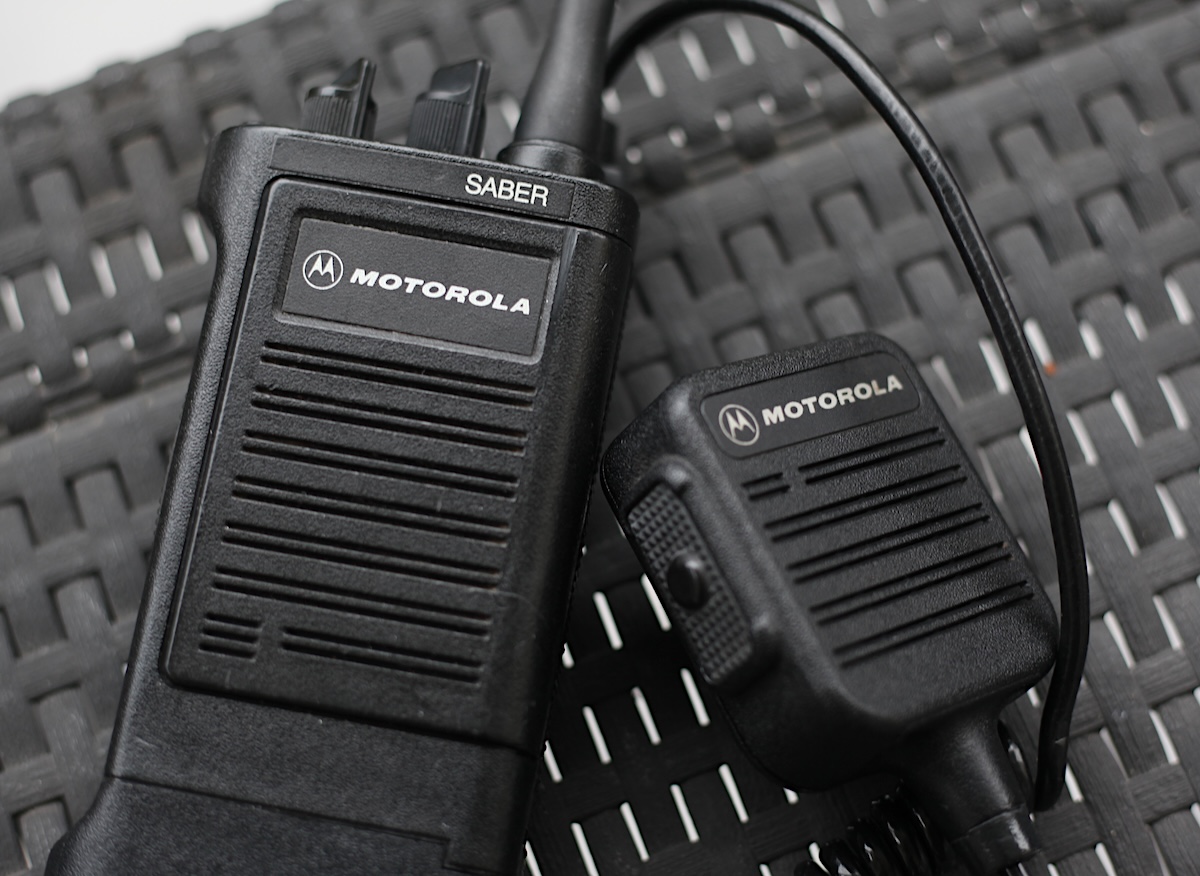
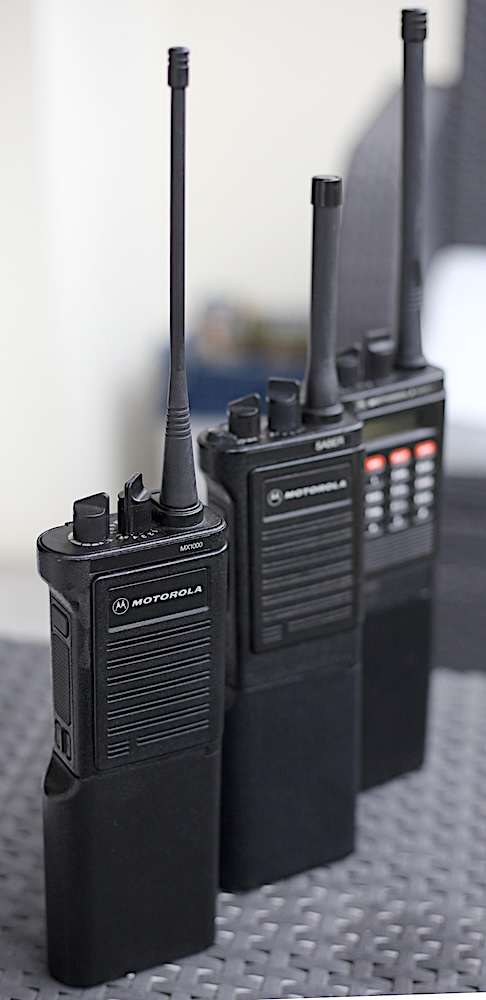
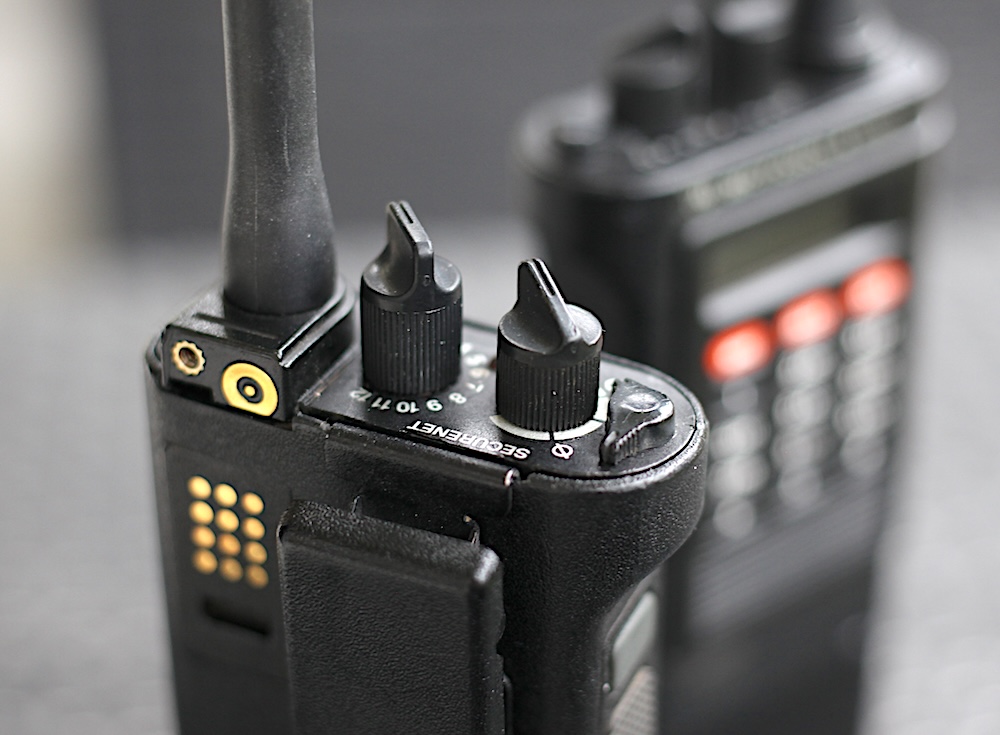
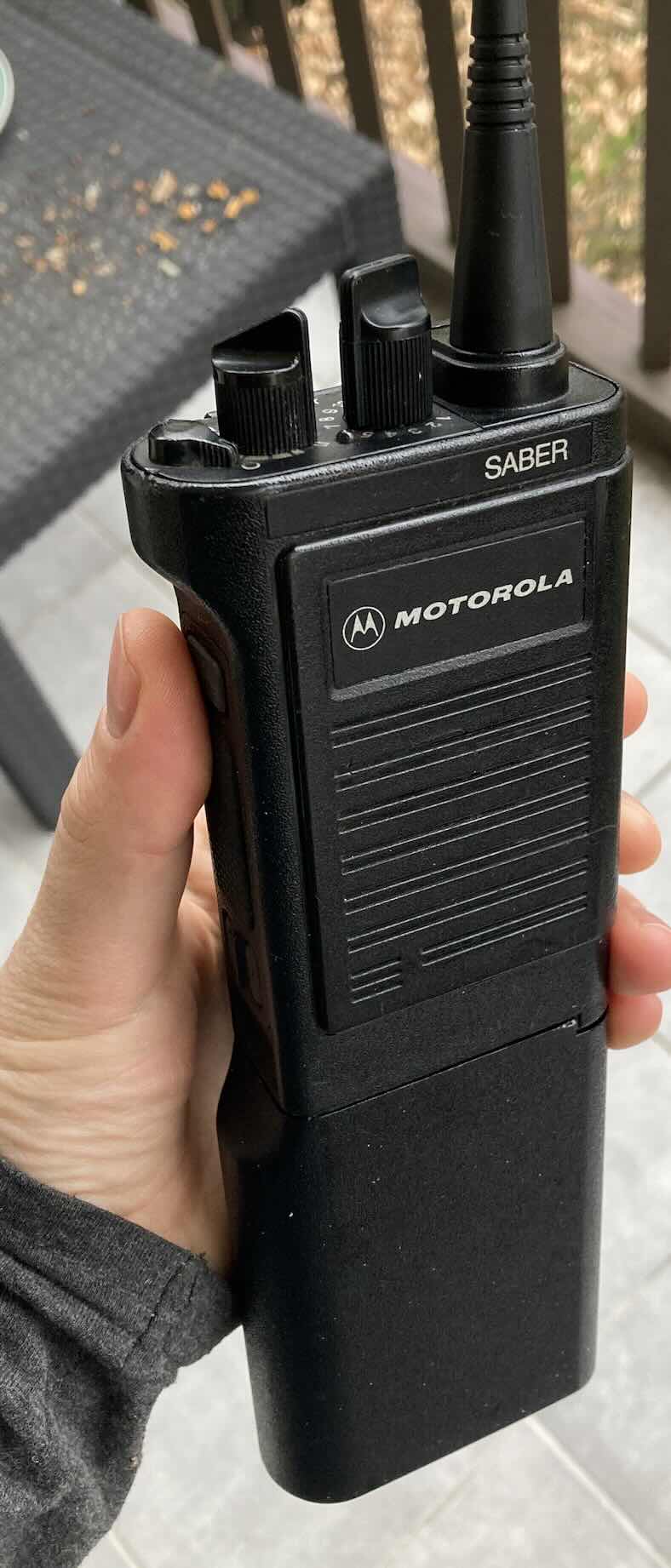
The Motorola Saber series were the flagship of Motorolas portable radio production in the late 80’s and early 90’s. In the US they were called SABER, for the EU marked there were the MX1000/2000/3000 series available. These radios are extremely robust and the receiver is working quite good, even out of band. Also it is easy to exchange parts such as the amp or the receiver modules. I am using an aftermarket RIB Box and the programming cable to program them with an old Panasonic CF-29 computer running DOS. It was a bit of pain to get to a successful programming because the DOS based RSS is not running under WinXP using DOSBox. So the DOS has to run native, I tried several computers with RSR 232 interface and non of them would work with DOSBox. Even if I saw people on Youtube using DOSBox, for me it was simply not working, whatever I tried in the settings. So I can just recommend to directly installing DOS, it’s saving a lot of time and you not gonna end up being completely frustrated like I was. The programming cables from china come with the pinout for the Astro Sabers, even if they say they should work for the conventional Saber/MX. You have to switch the pinout in-between Pin 6 (Astro) and 8 (Saber/MX) to use them on normal Sabers. To use the SABER (450-470Mhz) for radio amateur use (430-440Mhz) , I had to patch the RSS with an Hexeditor to shift the band limits in the Software.
A lot of useful Information you can find on the website of the Cryptomuseum and Batlabs:
https://www.cryptomuseum.com/crypto/motorola/saber/index.htm
https://batlabs.com/pinouts.html
https://www.repeater-builder.com/motorola/saber/hex-editing.html
https://agh-technik.orgfree.com/motofunk.html#MX1000
Motorola JEDI Series
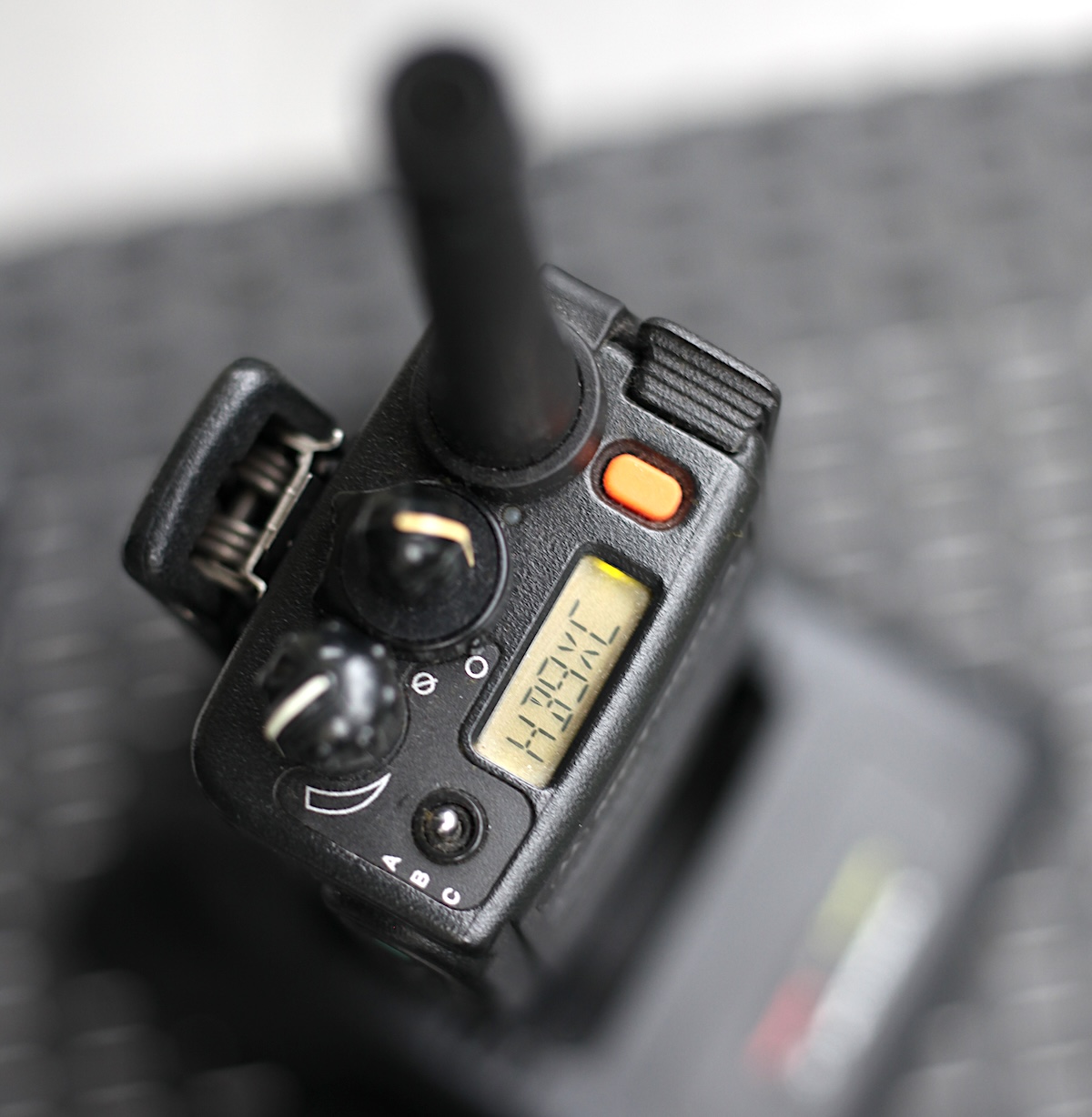
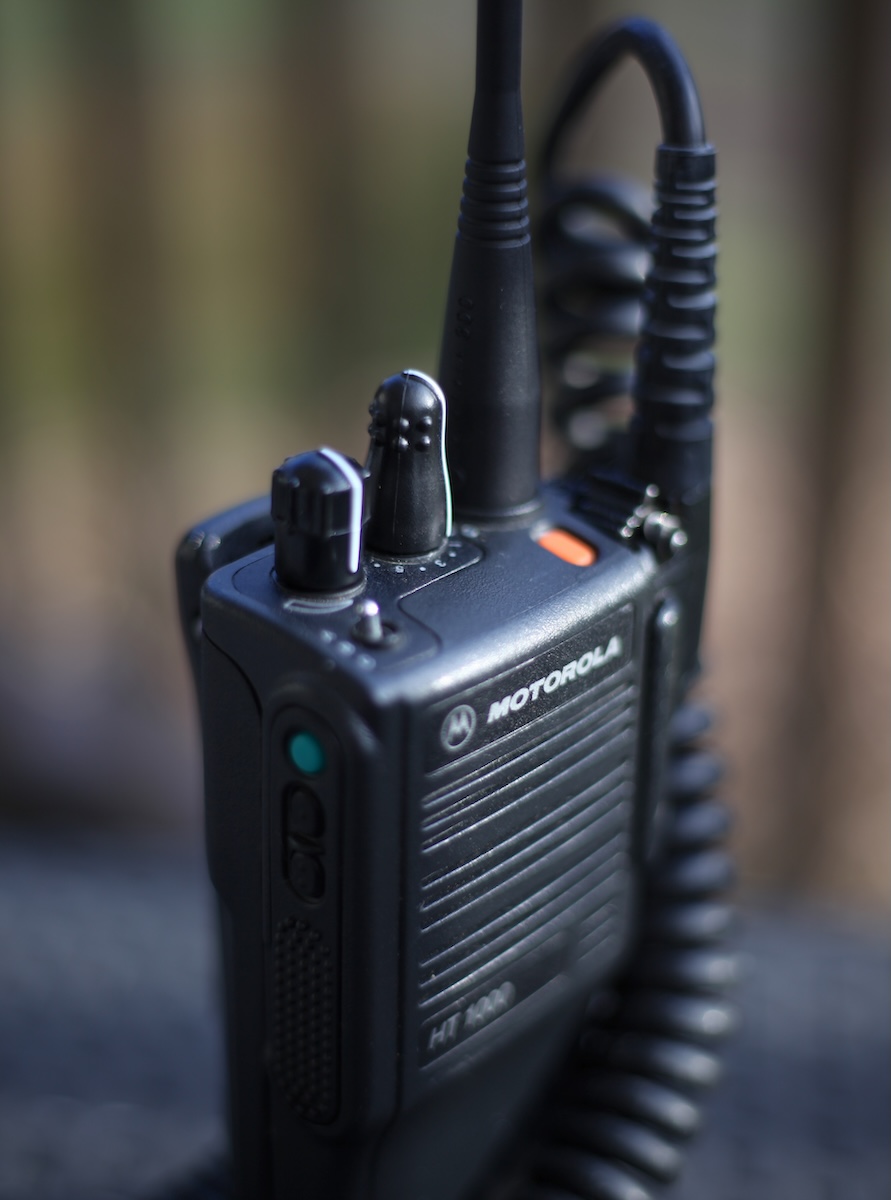
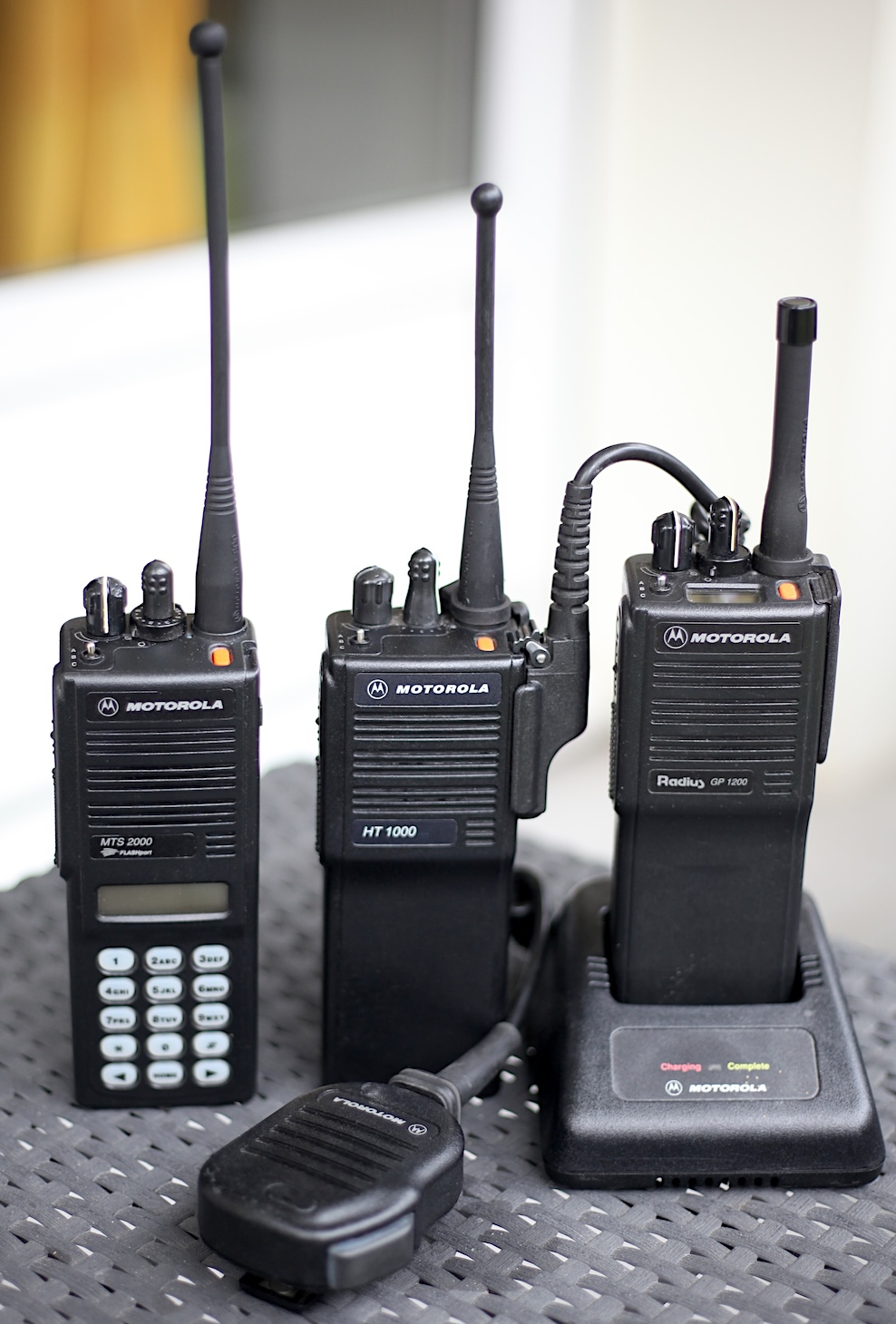
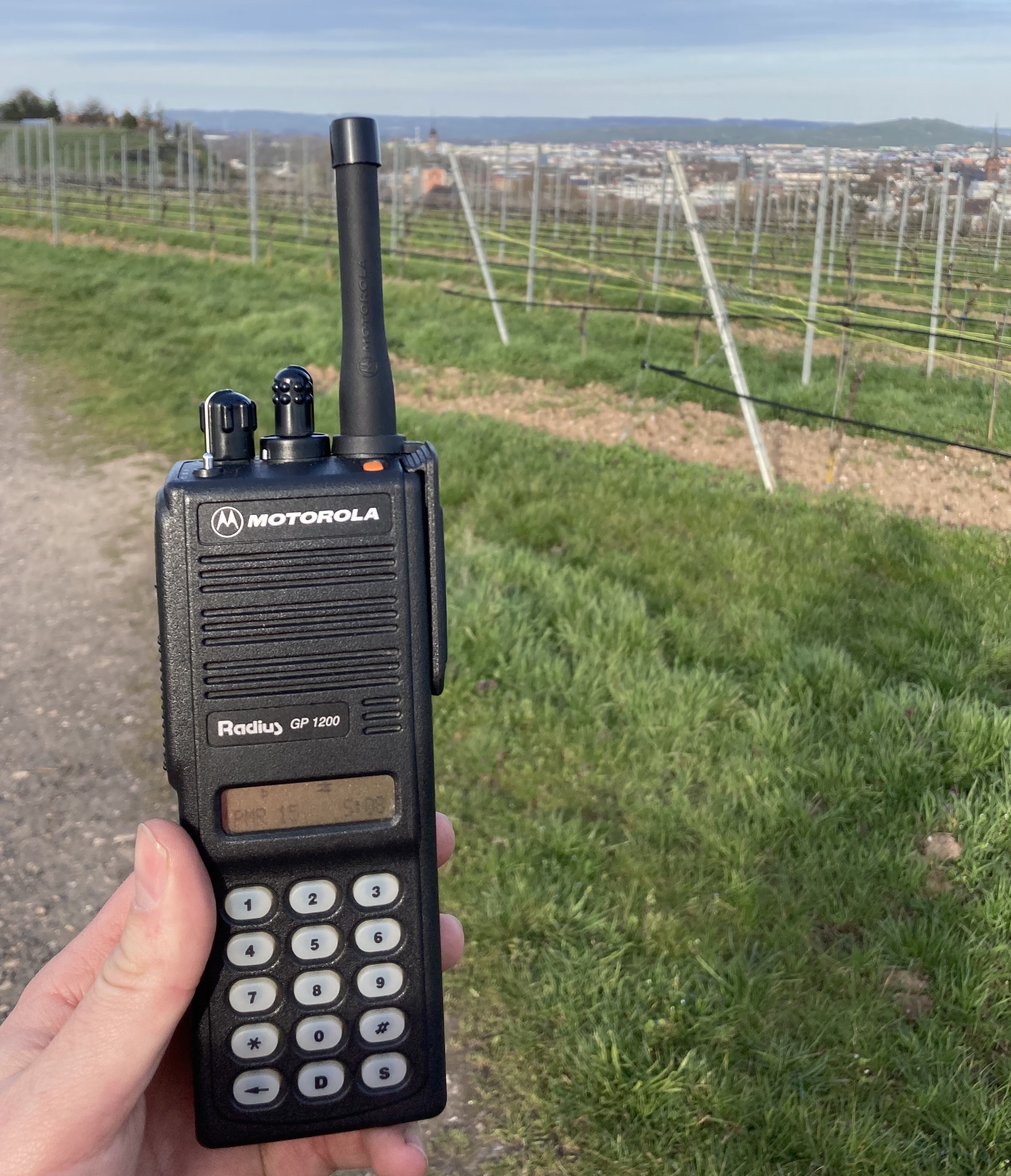
The Motorola Jedi Series where introduced in the mid 90’s and were used for a long time, in the German civil defence/ fire brigade they were some models still in use in 2025 before switching to the TETRA standard. Also being super robust and programmable via DOS or WinXP (WookieLab) they are still nice to use for radio amateurs. They are many different models on the market for different usage, conventional or trunked. I have the MTS2000, GP1200, HT1000, and GP900 models in my collection. The GP1200 is a flashed MT2100 since the firmware is build for trunked operation. As MT2100, it is capable of handling up to 210 channels, 5-Tone calling and single tone. Also it is the only radio of the Jedi series which I can program via WinXP using WookieLab. For the others, for sure there is each a different RSS needed, using DOS. The radio comes in different housing versions such as no display, top display, front display, full keypad and half keypad. They are quite reliable, the only problem is the front display which tend to create a well known pixel issue with the time.
More infos:
https://agh-technik.orgfree.com/motofunk.html#GP900
Motorola MC Micro Series
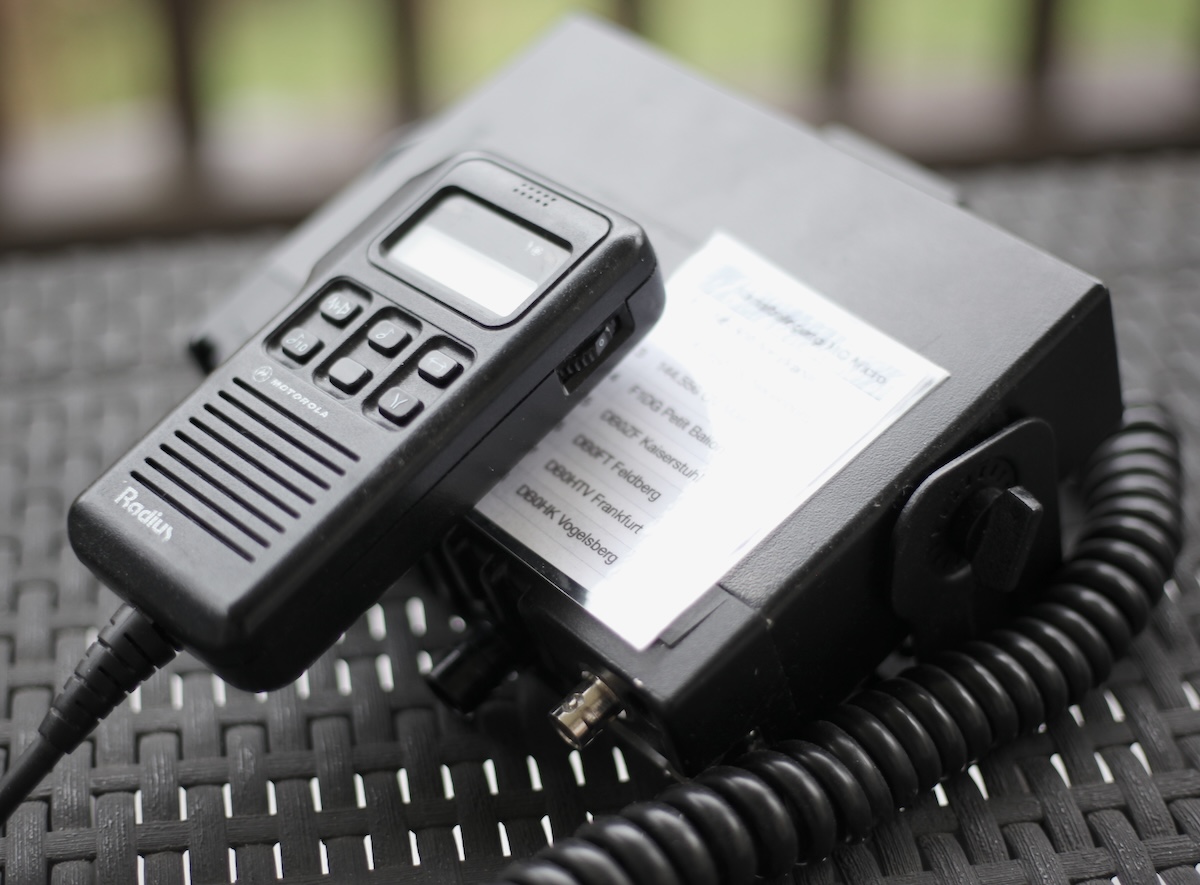
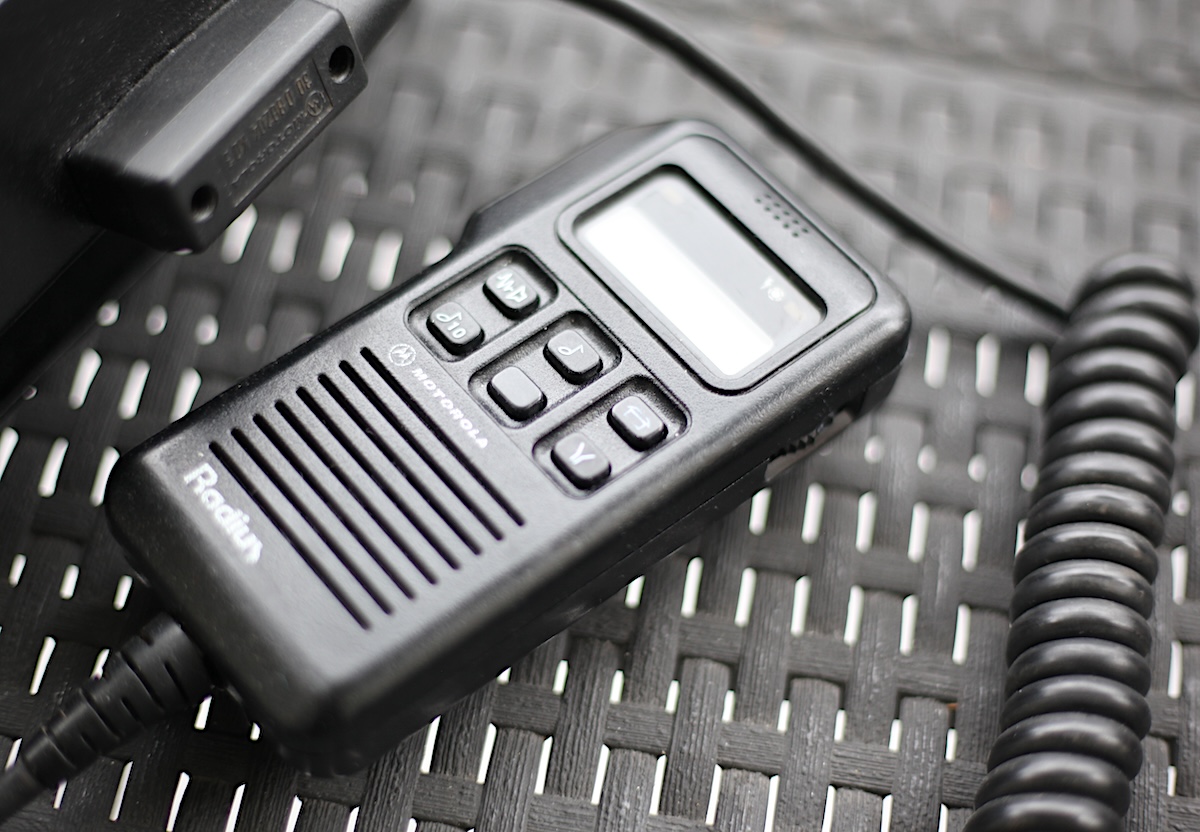
The MC Micro is a super nice compact mobile radio from the late 80’s. They can be programmed via DOS RSS but therefore you really need to get into really old hardware or you need to analyse the communication and set up a DOS box with these parameters. I did not do that, a ambitioned radio amateur from Germany programmed this radio this for me.
Motorola MOTOTRBO Series
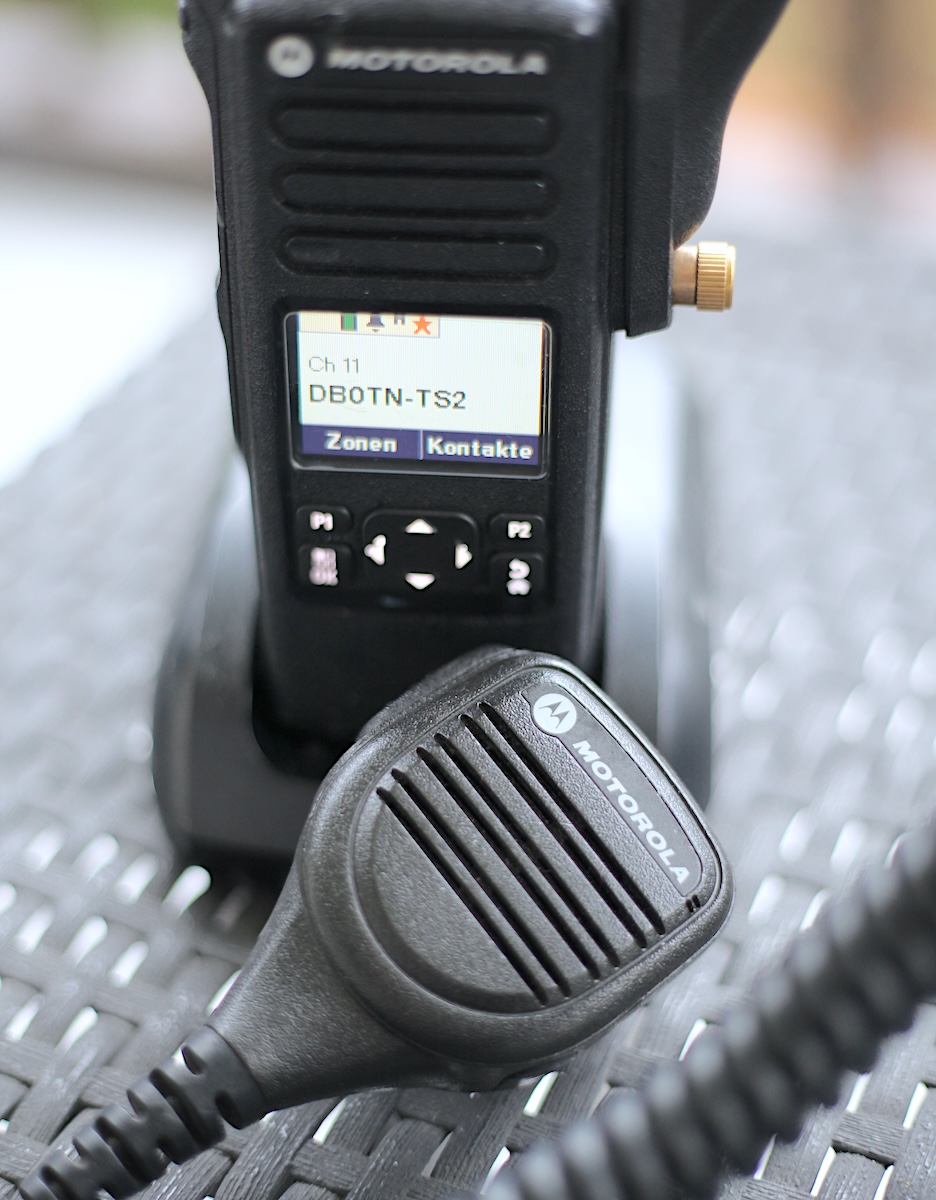
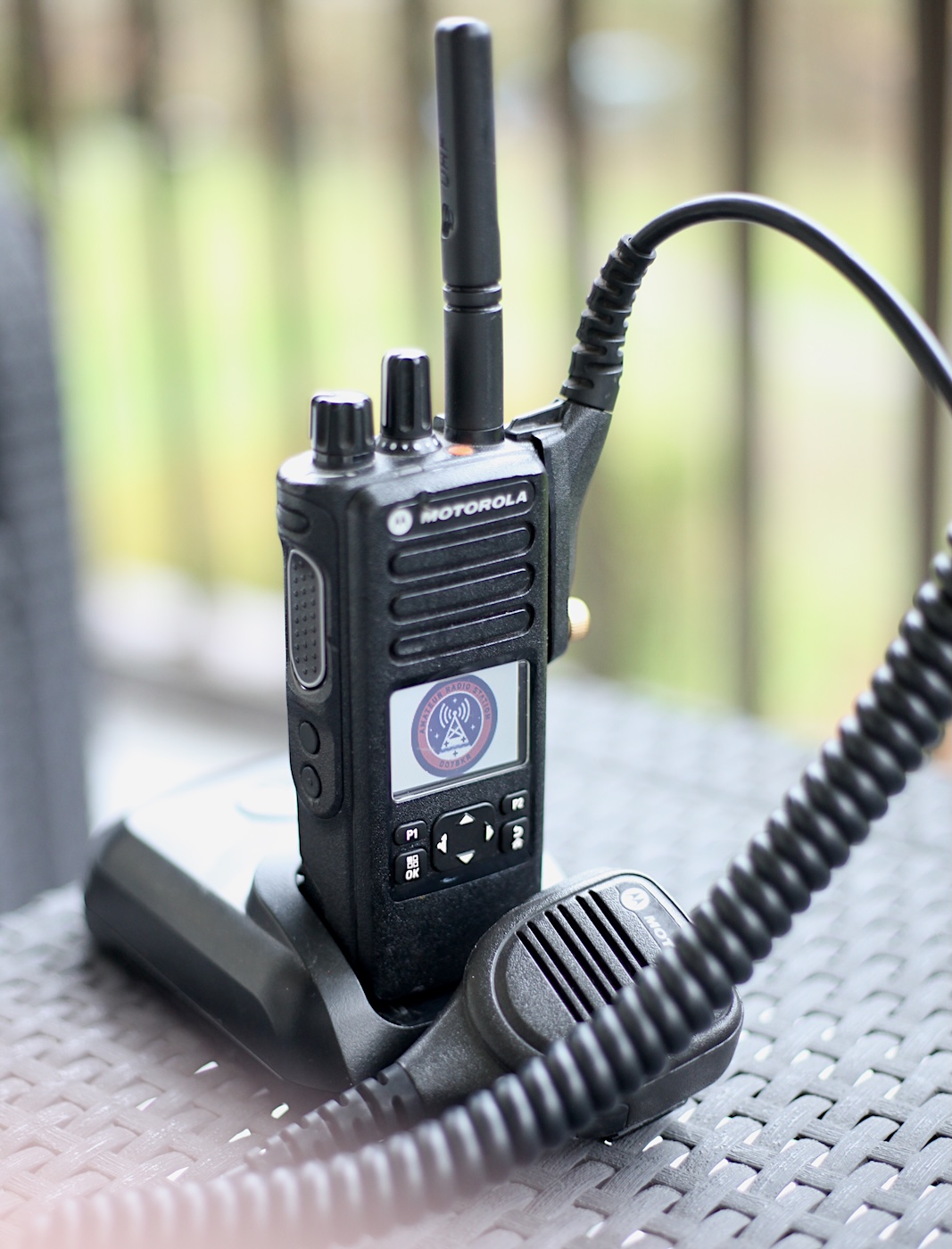
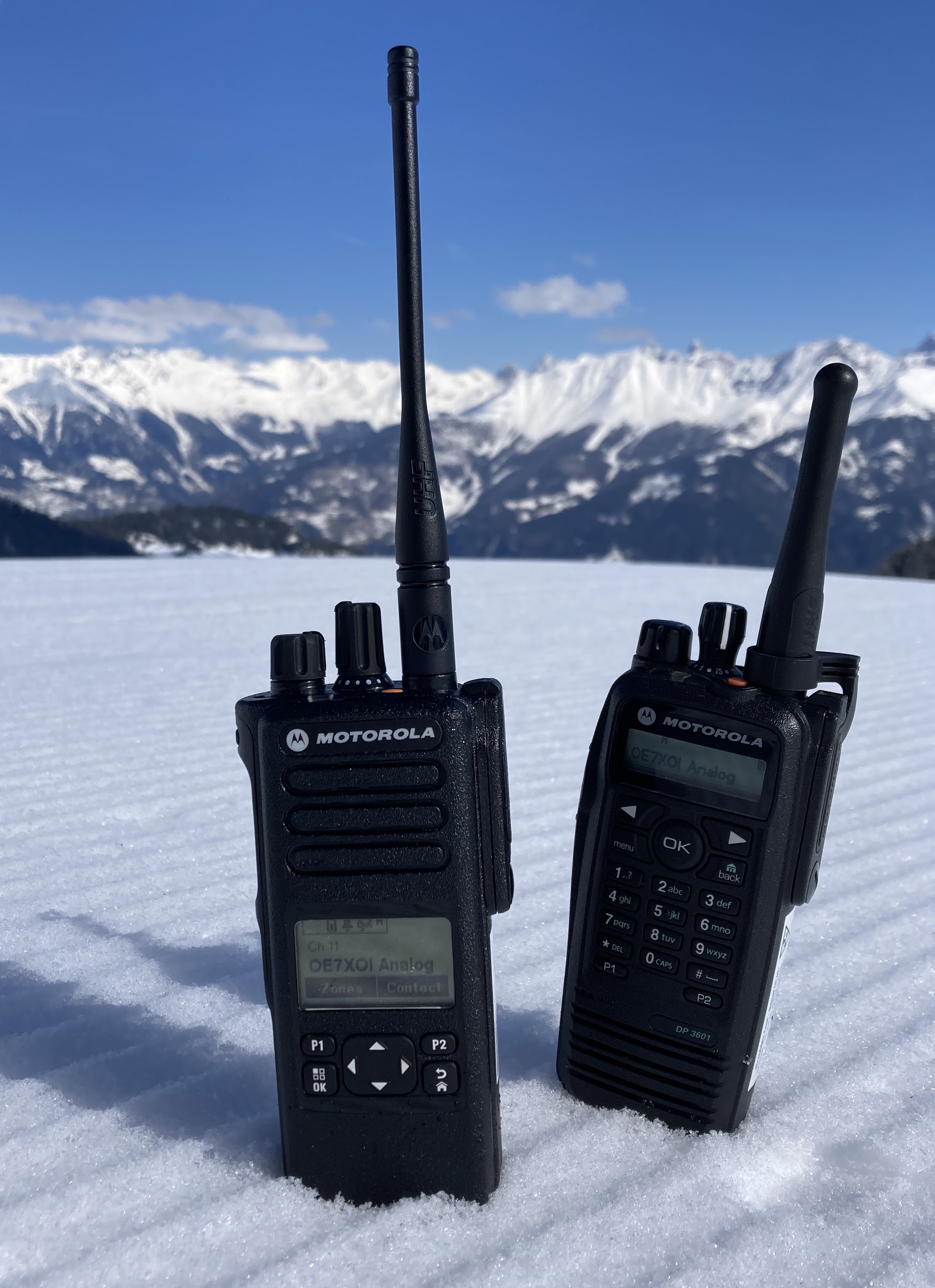
Since I am also using the digital radio protocol DMR, I have a couple of DMR radios of the newer Motorola MOTOTRBO Series in the collection. For portable usage I have a DM4601e, mobile or at home I am using a DM4600e, both UHF. Like almost all the newer products, the DM/DPs do not have the same housing build quality like the Jedis or the MX series. But receivers and the modulation are still quite good. And they are way easier to program using a new CPS which is running under Win10/11. The handheld radios come without display, front LCD Display with semi keypad and front LCD Display with a full keypad.
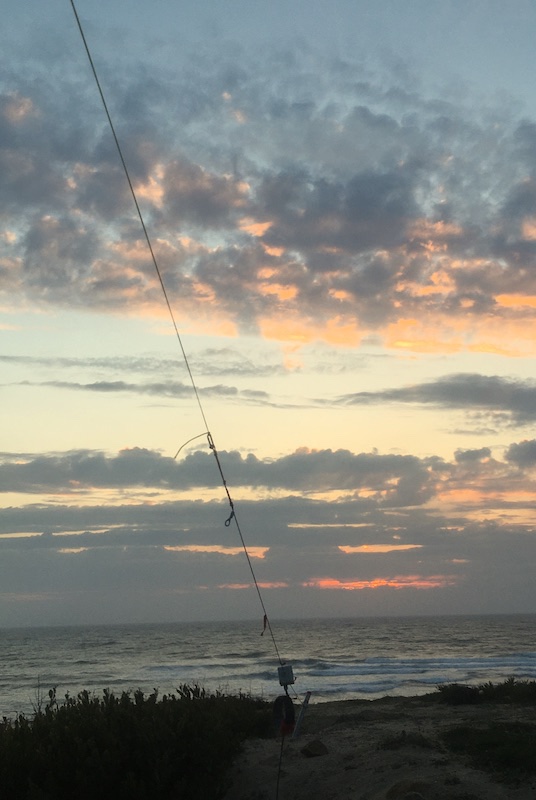
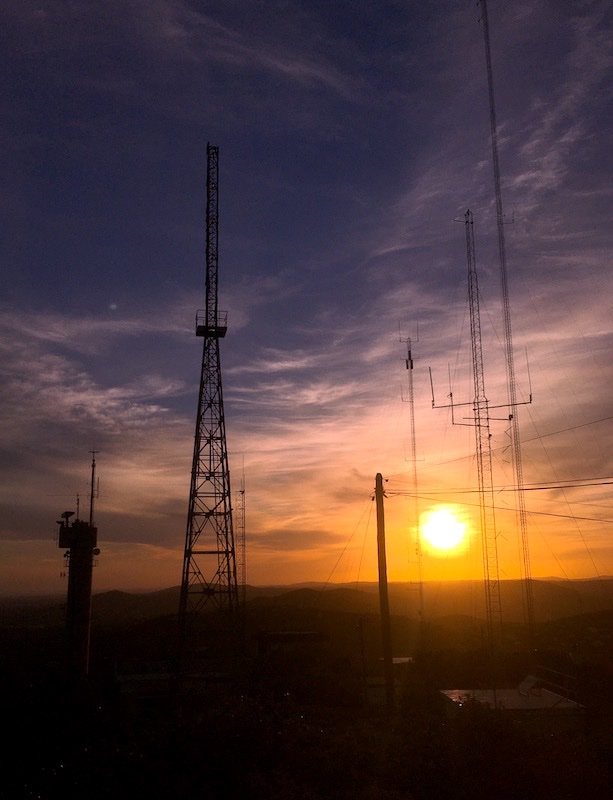
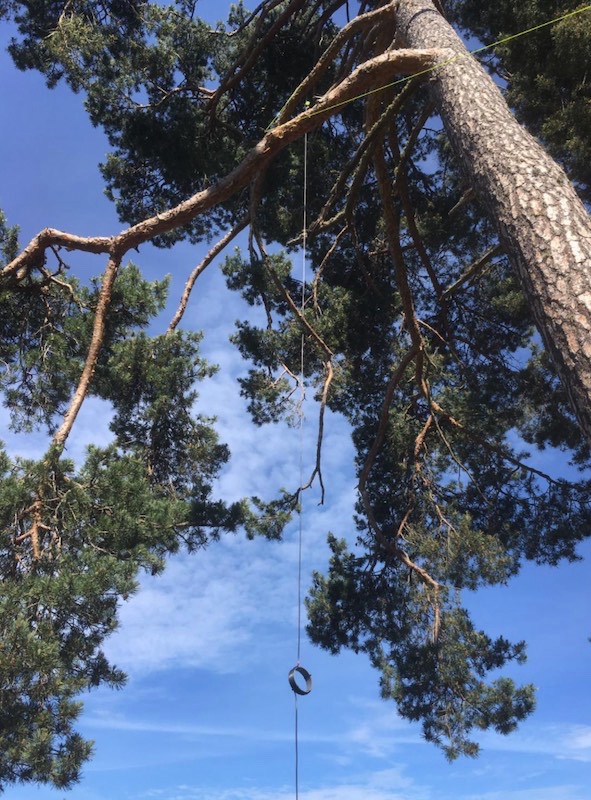
Some more impressions:

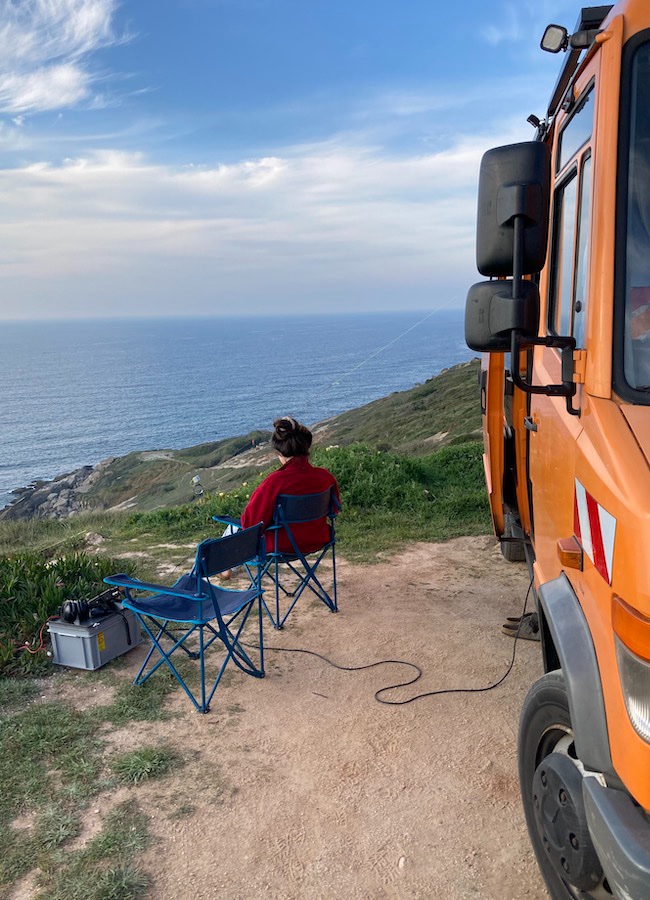
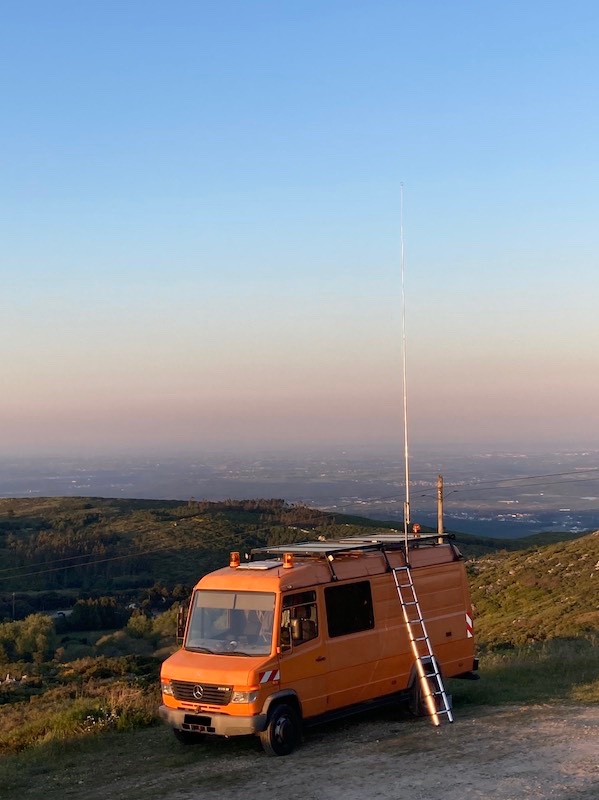
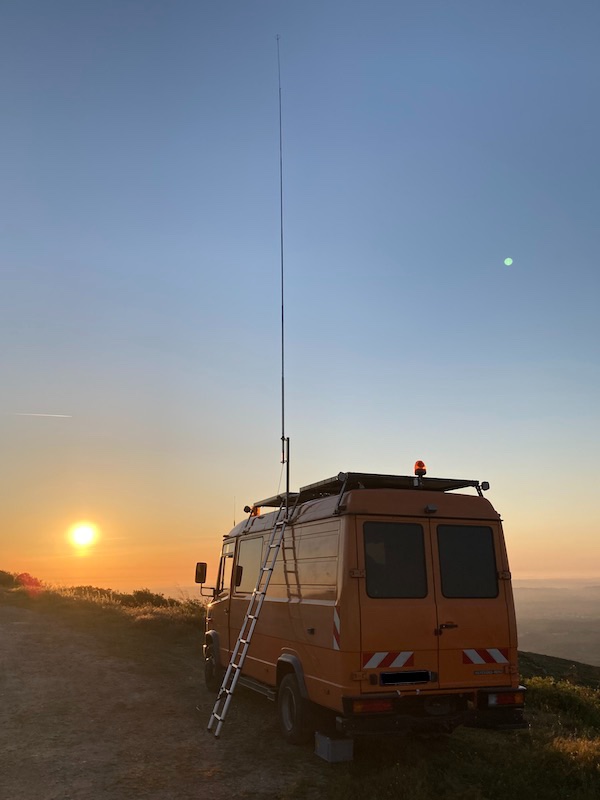


 Marius Petry